

We didn’t set out to build a sustainability programme. We set out to care for a place we love – its land, its sea, and the people who live alongside us. What began with a few native trees has grown into something far larger, and far more serious. What follows is the honest account of it.
Meda Gedara sits within a fragile coastal ecosystem. Water grows scarce by season, the shoreline is eroding, and the wildlife around us is under real pressure. We don’t pretend otherwise.
So sustainability here isn’t a separate project, or a line in a brochure. It shapes how we grow our food, manage our water, restore the land, train young people, and welcome you.


Meda Gedara is more than a place to stay. It’s a place where land is being restored, wildlife is returning, and the community around us is growing alongside it. Your stay is magical in its own right – and it leaves something lasting behind.
Our approach – Three things matter most to us.
Restoring the land, bringing back native forest, protecting wildlife, and holding the coastline against erosion.
Treading lightly, using less energy and water, generating our own solar power, and keeping waste and chemicals out of the environment.
Supporting our neighbours, creating real opportunity through training, education, and genuine partnership with the community around us.
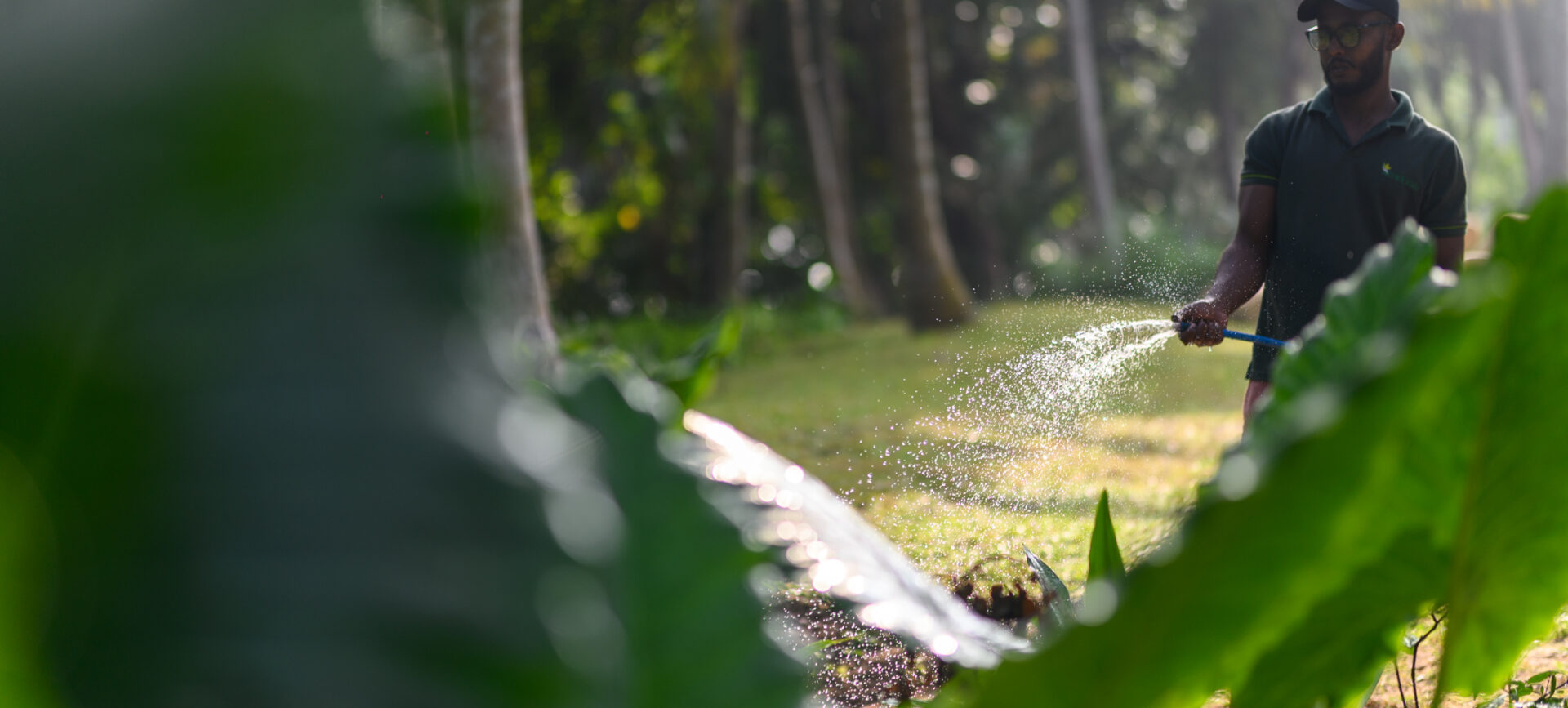
What’s changed so far
Quietly, and all of it measured:
- 7 threatened species now conserved on site – one of them critically endangered.
- 5 so rare they cannot be saved in a seed bank; they survive only as living plants, in places like this.
- More than 1,500 native plants returned to the ground.
- 78 species recorded and logged in a global conservation database at Kew.
- 295kg of waste cleared from the coastline.
- 12 young people trained in hospitality, with Home of Hope.
The Wild Garden
Two acres of tired coastal land, brought back to life as a thriving native ecosystem.
The Wild Garden exists for one reason: to return what this coast has been losing. Working with conservation scientists – among them Earth Restoration and Botanic Gardens Conservation International at Kew – we’ve replanted native forest, restored habitat, and watched the wildlife come back.
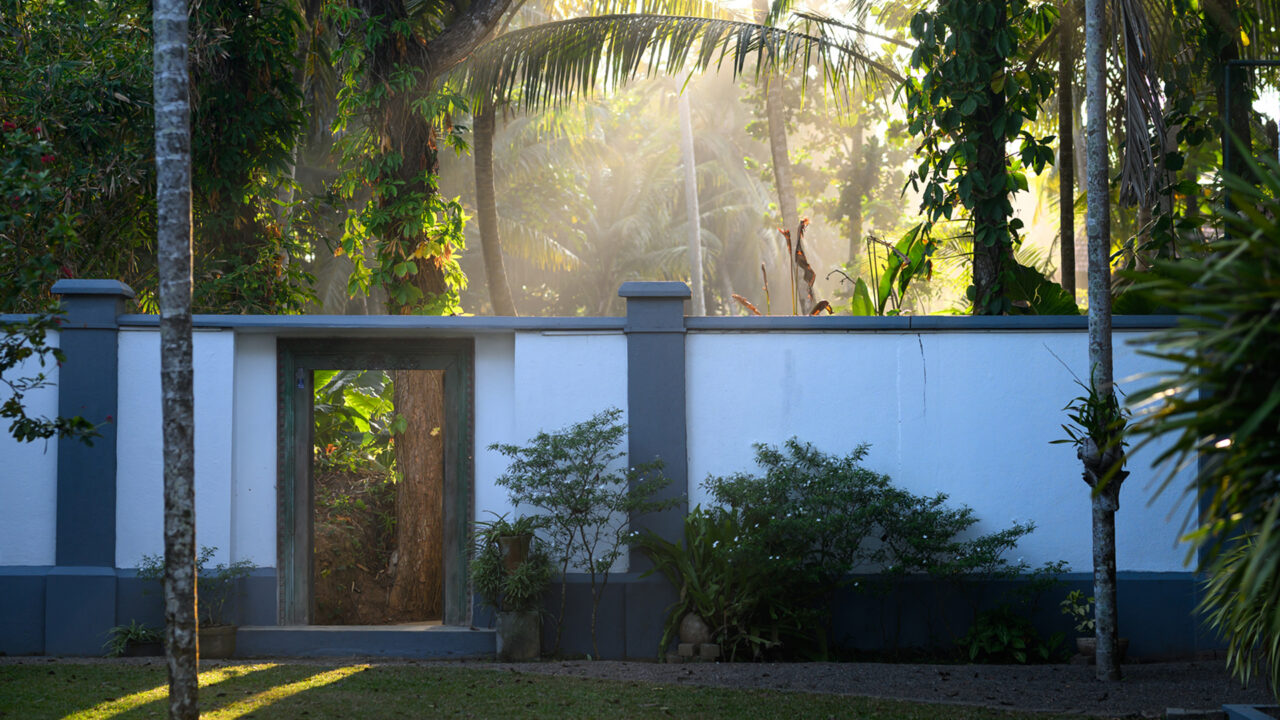
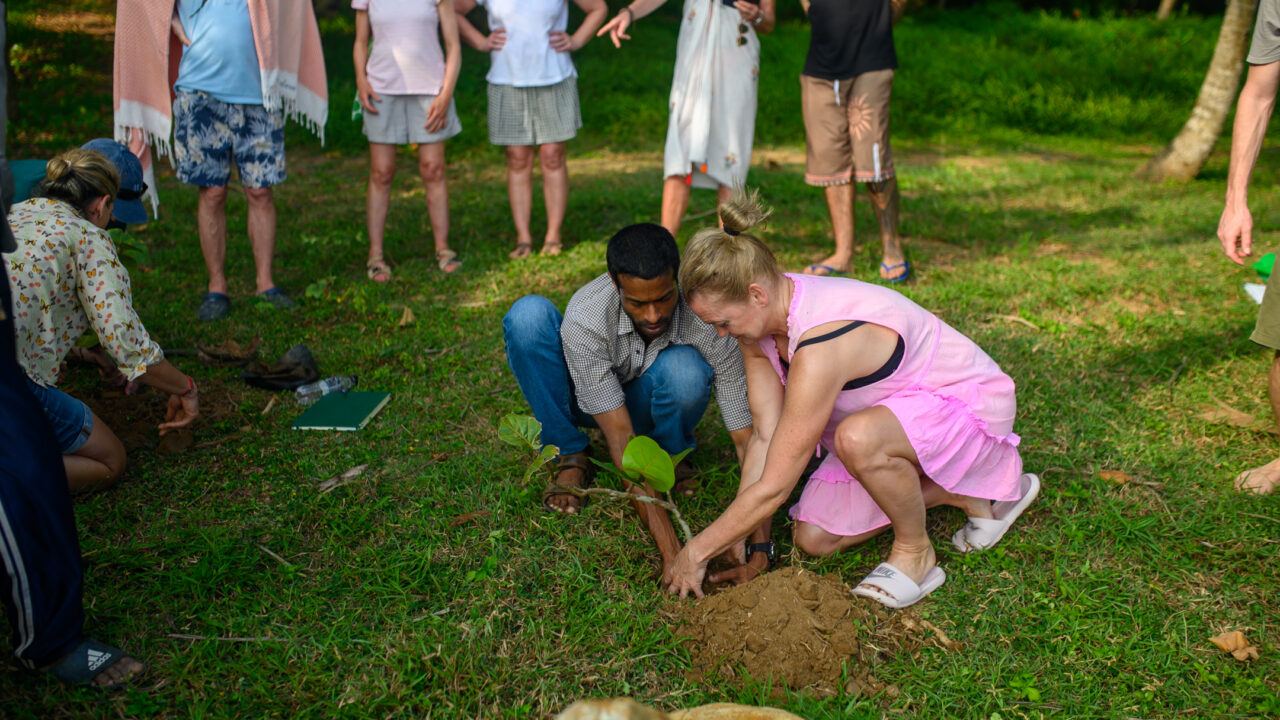
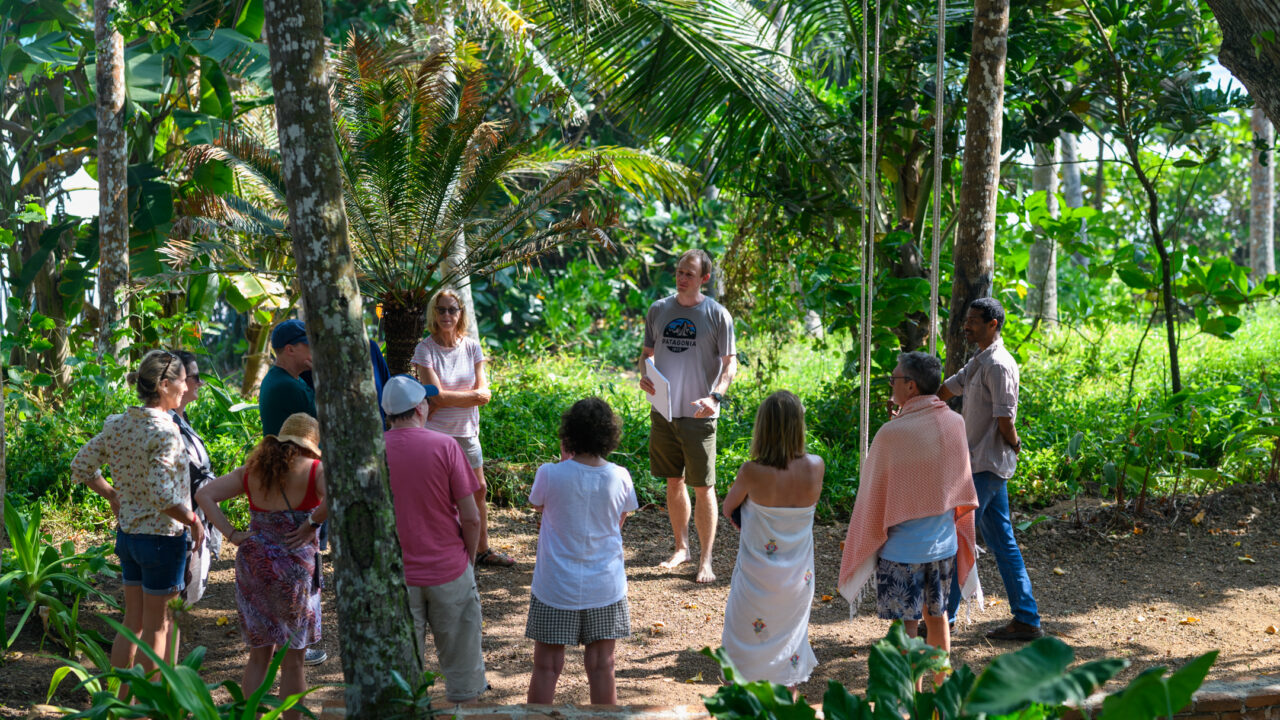
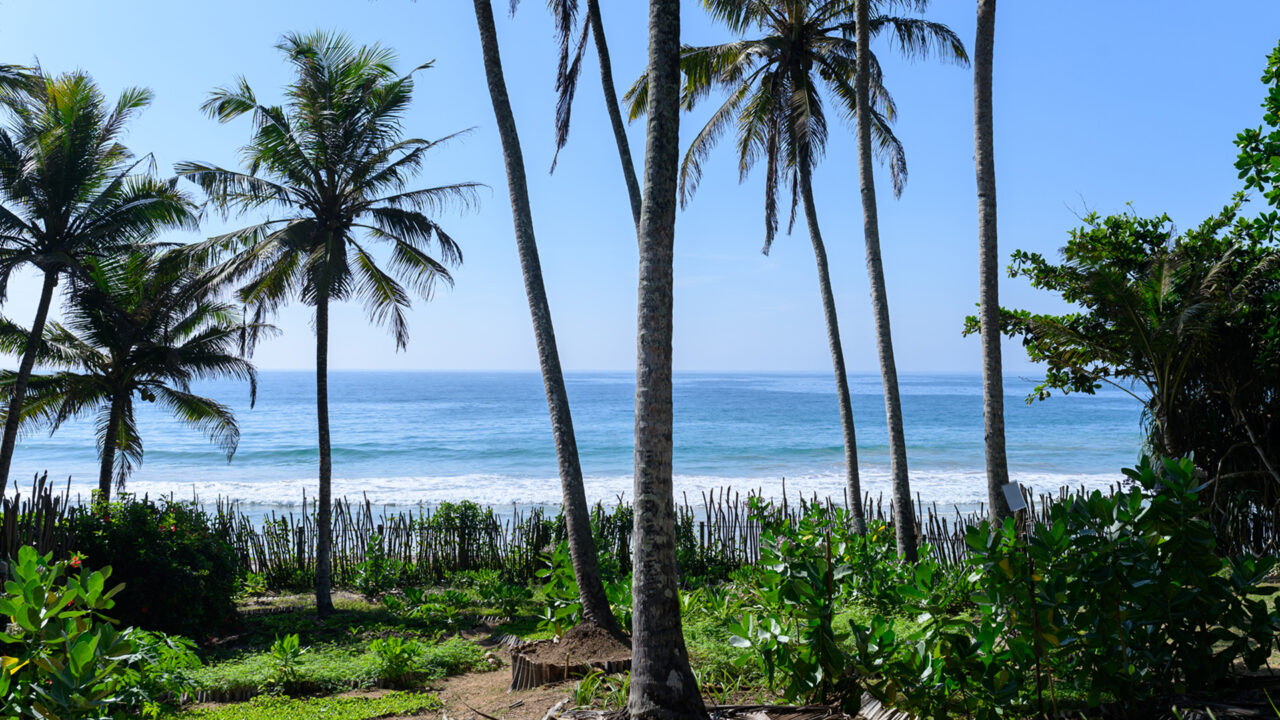
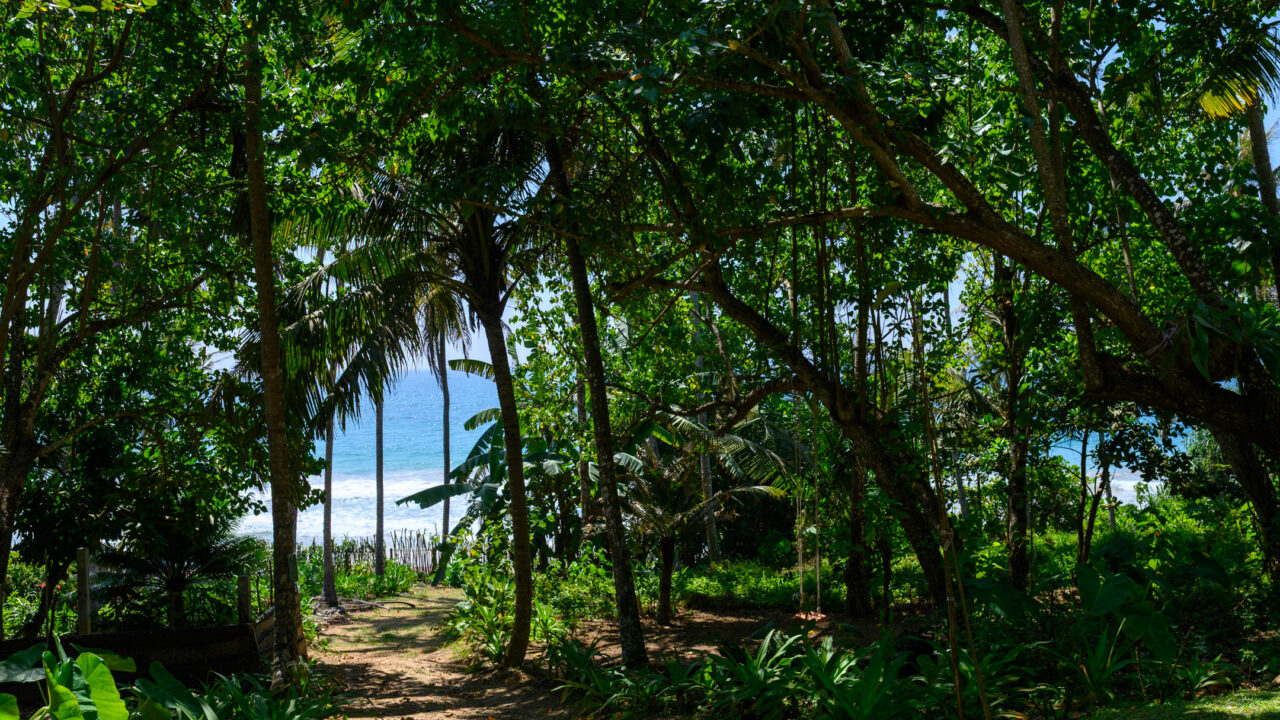
Every plant here was chosen for its place in the ecosystem. Some are rare; a handful exist almost nowhere else. The garden is monitored scientifically through the seasons, and its species are recorded in global conservation databases – so the work can be verified, not simply claimed.
What we’re doing
- Replanting native trees, shrubs and flowering species, each chosen for its value to wildlife.
- Making our own compost and natural fertiliser from the villa’s leaf litter, grass cuttings, coffee grounds and food waste – no synthetic chemicals.
- Propagating native plants in our own small nursery.
- Recording and monitoring the garden’s wildlife with our scientific partners, season by season.
A way into hospitality for young people from the community around us – in partnership with Home of Hope.
Of everything we do, this is the part that matters most to us.


Home of Hope cares for around a hundred local children and young people. Together, we welcome them into the villa and teach the craft of hospitality from the inside – housekeeping, stewarding, the kitchen, the garden, the standards a place like this runs on.
Our first group of twelve completed the programme in early 2026. Every part of it is taught in their own language, and every part of it is properly safeguarded.
It isn’t only about skills. It’s about confidence – and the belief that a door like this one is open to them. Several have already gone home and taught what they learned to classmates who couldn’t be there.


